
Giving Evidence works to make charitable giving more effective by encouraging and enabling charitable giving based on sound evidence.
The effect of Prince Andrew’s patronage: Treating Prince Andrew like a donor, to assess his effectiveness, Giving Evidence examined what happened to his patronee charities’ revenue when he stood down, compared to what happened to all other charities’ revenue.
Answer: his patronage had no detectible effect. More here.

Giving Evidence does three types of work:
Advice on your giving

We advise all types of donor: individuals, families, foundations, companies, government agencies, in many countries and across many sectors. Examples:
- Finding strong organisations to fund
- Reviews of existing strategies and programmes
- Creating new strategies and programmes
- Adapting programmes to new geographies or situations
- Identifying co-funding partners
We are currently:
- advising a family who are totally new to giving;
- advising a family foundation on whose grants we have advised for ~10 years.
We recently:
- Created a giving strategy for an int’l company new to giving, and
- Reviewed, re-freshed and re-designed the giving strategy of a UK company whose growth had outstripped its former giving mandate.
Research and analysis
Our published research looks at both charity effectiveness and donor effectiveness. It includes:
- Analysis of the effect of Prince Andrew’s charity patronages (TL:DR; none)
- The Foundation Practice Rating: our independent and annual assessment of UK foundations, now its fourth year.
- New research showing that fdns with few people (staff or trustees) tend to be weaker on diversity, accountability and transparency.
- Original research showing that many charities are too small to ever produce rigorous evaluations.
- How to get research to influence policy and practice: a literature review, and summary of interviews with practitioners.
- The rigorous evidence about institutional response to child abuse, and what it says
- The rigorous ‘what works’ evidence about outdoor learning
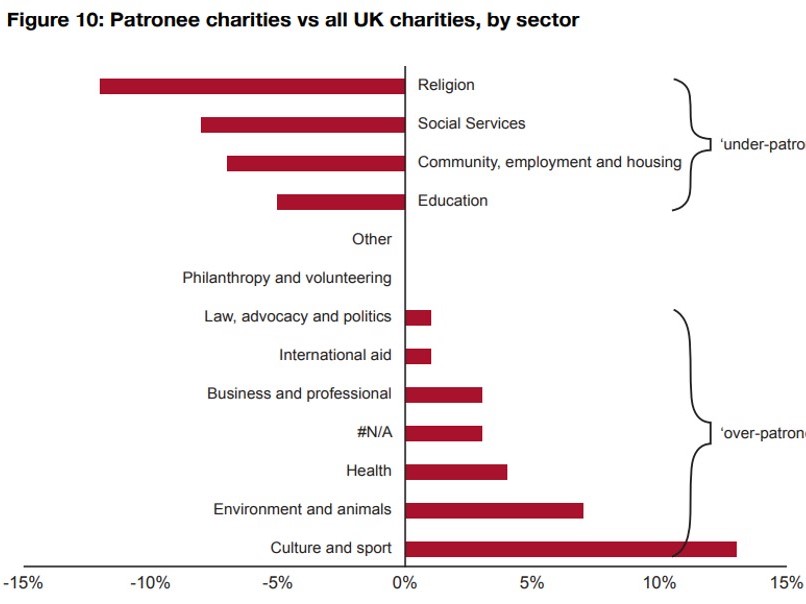
- Royal patronages of charities: who gets them, and do they help?
- The evidence systems in medicine / health and in education in low- and middle-income countries.
Speaking and writing
To raise awareness that donors’ choices and behaviours matter, to explain how charities and giving really work, and to guide donors to give well.
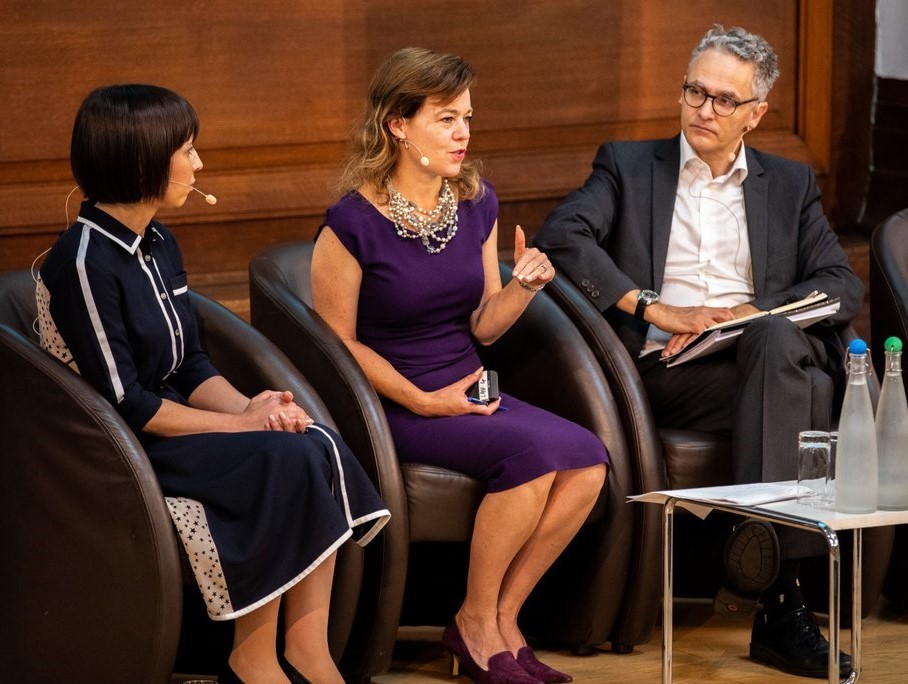
We speak and write in the press: see here. For example, Director Caroline Fiennes recently spoke at a conference about how philanthropy can help achieve the Sustainable Development Goals.
We talk at events: videos of many talks are here, and events are listed here.
We teach at universities and private events.
Our blog posts explore many topics about giving well and evidence and influencing practice. Start here & use the menu of the right!
Letter in The Economist about anti-malarial bednets: see here.
Giving Evidence’s work explained in two minutes (in a noisy place!):
All of Giving Evidence’s work looks at effectiveness across the two decisions that donors face:
- What to fund: i.e., effectiveness of charities and operating organisations they might support
- How to fund: i.e., effectiveness of the donor themselves, such as the amounts they give, any conditions attached, the processes they run (e.g., application, reporting processes, how/ whether they partner with other donors), any non-financial help, and how they organise their decision-making processes.
What is evidence-based philanthropy, why does evidence matter in philanthropy, and what types of evidence do donors need? An in-depth discussion, for a group of Austrian donors:
 giving-evidence.com